Category: Uncategorized

  • Parker 105 (1979 – 1982)

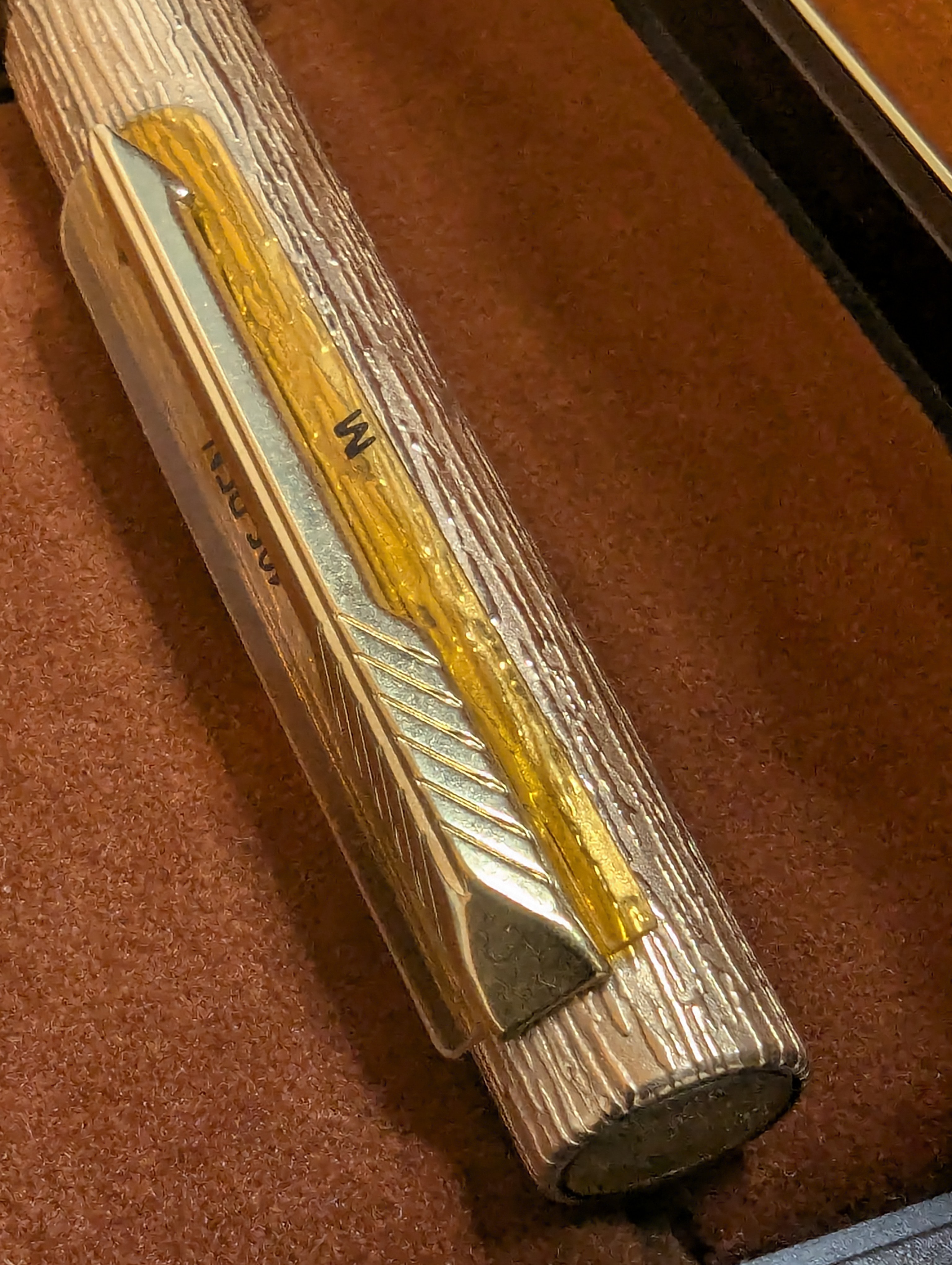
    This beautiful pen was missing from my life before I acquired it. Made between 1979 and 1982 the unusually short production run for this model makes the stately Parker 105 quite a rare beast.

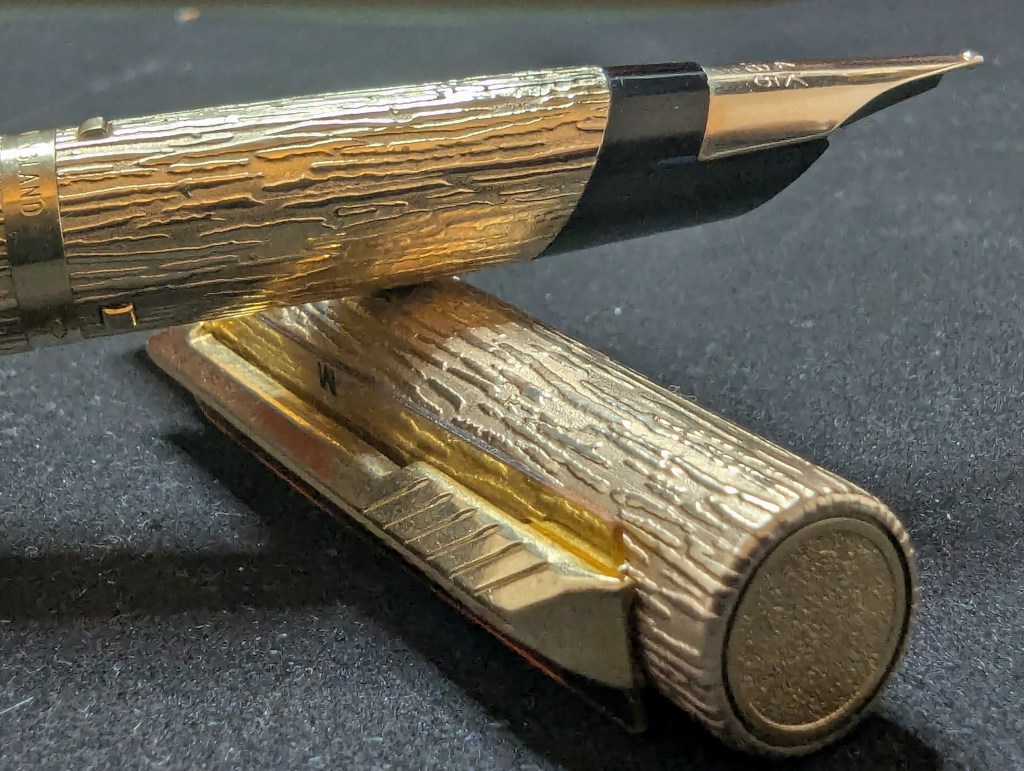
    Its rarity however does not take anything away from it, for me this Pen is like a slightly more extravagant British version of the solid Lamy 2000, made from a metal body coated in rolled gold in a very fetching “Bark” pattern this pen does look like an opulent twig from the gardens of some fantasy pleasure palace. The 105 also comes in a flighter finish (don’t all Parker’s since the 70’s get that treatment?) and a rare silver version. The 105 was also used to commemorate the Royal wedding of Charles and Diana – so some real royal pedigree with this one.

    The 14 ct gold nib is a delight also, it is smooth, regal and made integral to the body of the pen.
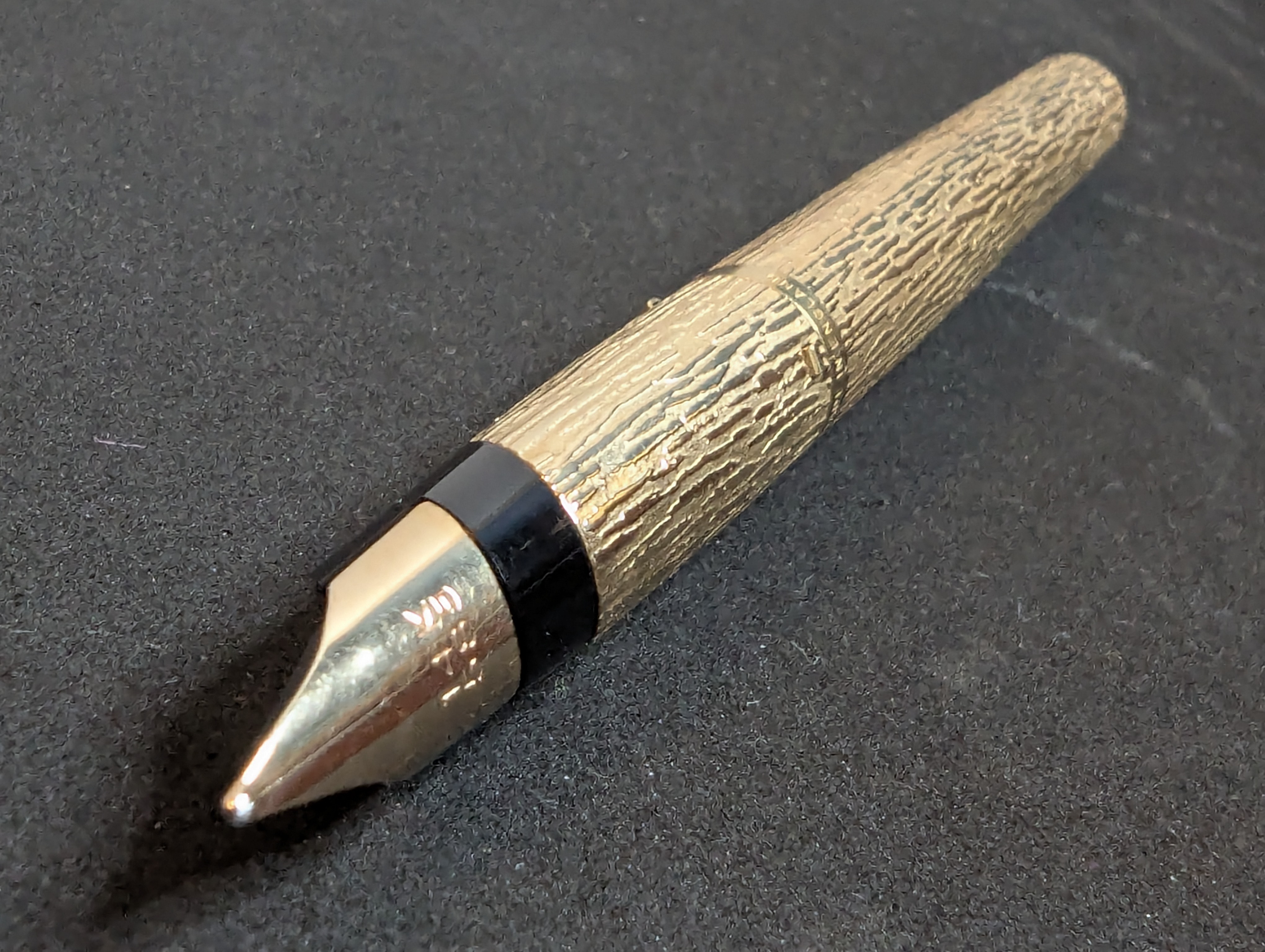
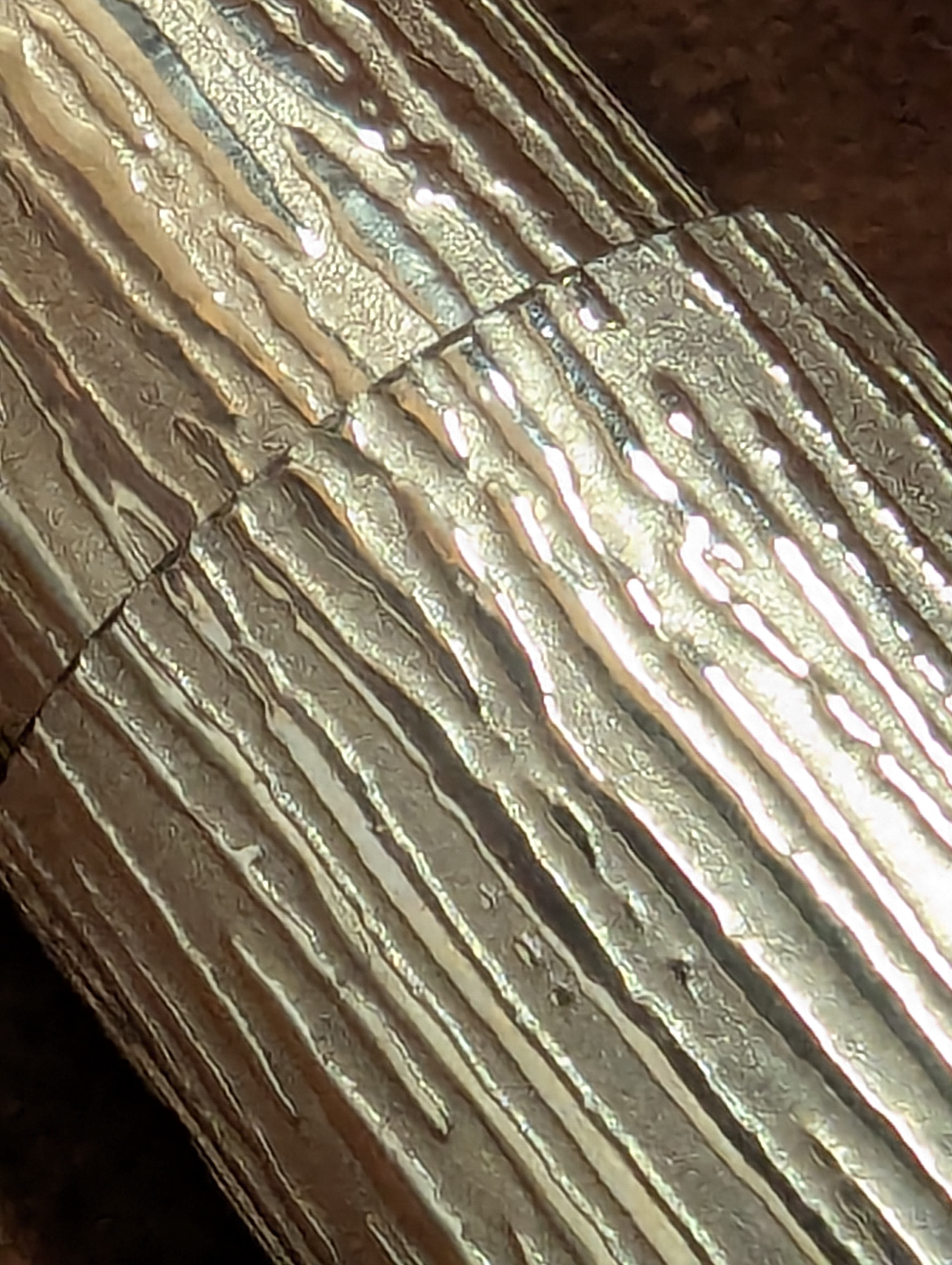
    Strictly a cartridge pen when it was first introduced, I suspect that you could put one of Parker’s converters in the pen, the nib is quite a lot smoother than a lot of Parker pens that I have used from the same Era, it really does have a special feel to it.

    At 13.5 cm long capped this is not the largest pen in the world but it is long enough and wide enough, unlike the Parker 15 or Vector that can sometimes feel a little insubstantial in the hand.(depending on your hand)

    This pen was born to be personalised and has a smooth name plate section on the barrel which you will often find engraved on the second hand market.

    I have seen these pens for sale at £125 all the way up to £300 depending on the condition and where you look, I think they are a great addition to anyone who has a fixation with the Parker Pen company,

    In Summary I like the Parker 105 a lot more than i thought I would, its surprisingly easy to live with if you dont mind a little bit of desktop bling and it does have a lot of features to love, I would certainly look to try one of these out if you love the Lamy 2000 but want to try a Vintage pen from another brand.


  • Why I love to write Letters

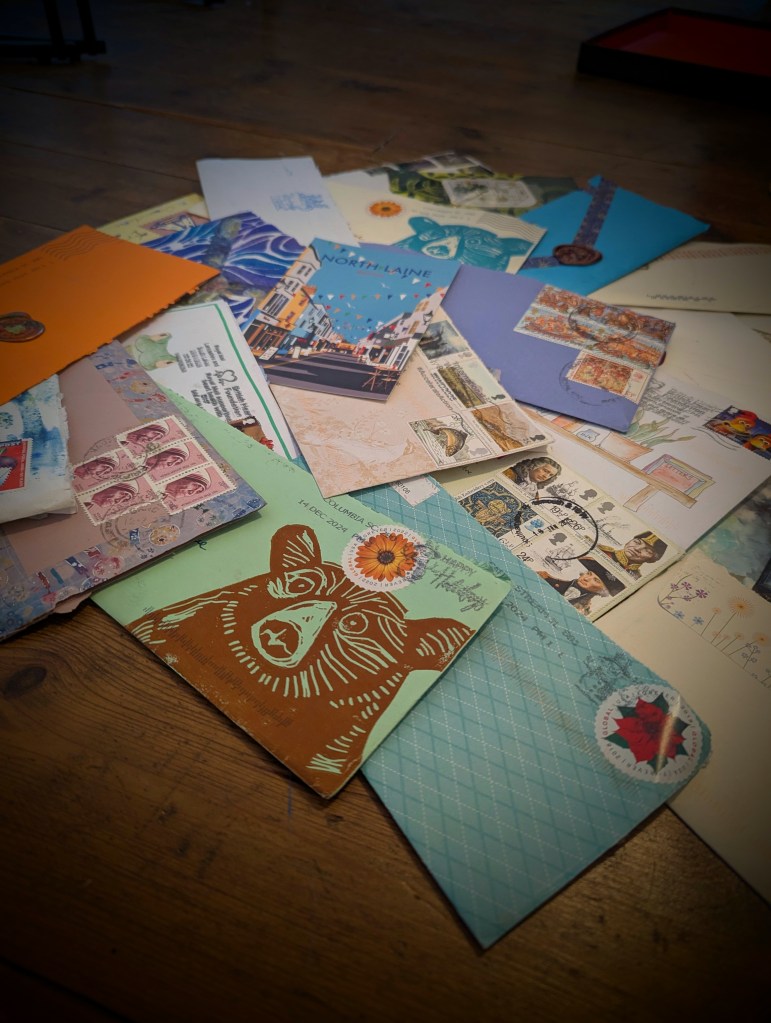
    I usually write between 2 to 3 letters per week, the time I spend writing letters is a time of peace, calm and tranquility, a time where I can connect with friends from all over the world, whose correspondence makes the whole process worthwhile, and also connect with myself and really consider my thoughts and opinions in that crucial stage of choosing the words in my replies.

    Because I choose to write with a fountain pen, loose leaf paper and ink distinctly enhances the vintage joy I experience, but anyone can write a letter, and the history of communication is marked by the pens and pencils of men and women writing the most profound sentiments known to man, the celebration of the simple and universal birthday cards or those jovial letters to Father Christmas.

    The first letter is widely attributed to the Persian Queen Atossa; at around 500 BC, the sands of time have obscured the meaning of her original letter but she set in motion a formula that would be copied centuries on for keeping in contact with one another when that person you want to reach out to is more than a quick walk away.

    Sir Rowland Hill

    Sir Rowland Hill is credited as one of the great champions of the posted and written letter. In the 19th Century he is credited with being key in the introduction of the self adhesive postage stamp. In an age when letter writing and literacy was ever increasing, more and more people wanted to keep in touch with friends or family who no longer lived in the same community as them or for businesses looking to work further afield than ever before.

    One could argue the true golden age of letter writing began with the advent of the first world war, families separated for the first time had the means to stay in contact with their sons, far from home fighting the war boosted the number of letters.

    Of course the internet and social media have put a real dent in the number of hand written letters, it is much cheaper to send an email or a text message to a friend or loved one than to sit down and put pen to paper.

    But that doesn’t quite have the same magic to it does it? Is there a better experience than getting home to find a beautifully presented envelope sitting on the floor full of news, tidings and well wishes of people who have taken the time to sit, pick up a pen, get a sheet of paper and consider you in each of the words they have written, and have then taken the time to purchase a stamp and put the letter in the post for you.

    You can’t cc or bcc all your friends in on a hand written letter, and you cant see a couple of little blue ticks to know that someone has read your letter, however they mean a lot more to the sender and the recipient, bringing about a stronger relationship because of this, they are intentional and deliberate in a way modern media is not.

    Thankfully today we do not have to rely on the ad-hoc international post of the packet ship era, in 1874 the Universal Postage Union was created to standardize the global postal system, I would argue this was the very start of social media, albeit much slower. So let’s use that which was given to us, let’s not let it fade away into obscurity.

    There are a myriad of resources online for those who want to write letters, so go have a look, pick up a pen, grab a sheet of paper and let your heart, mind and hand do your talking for you.

  • Vintage Parker Quink

    A wallet friendly reliable ink, In vintage form

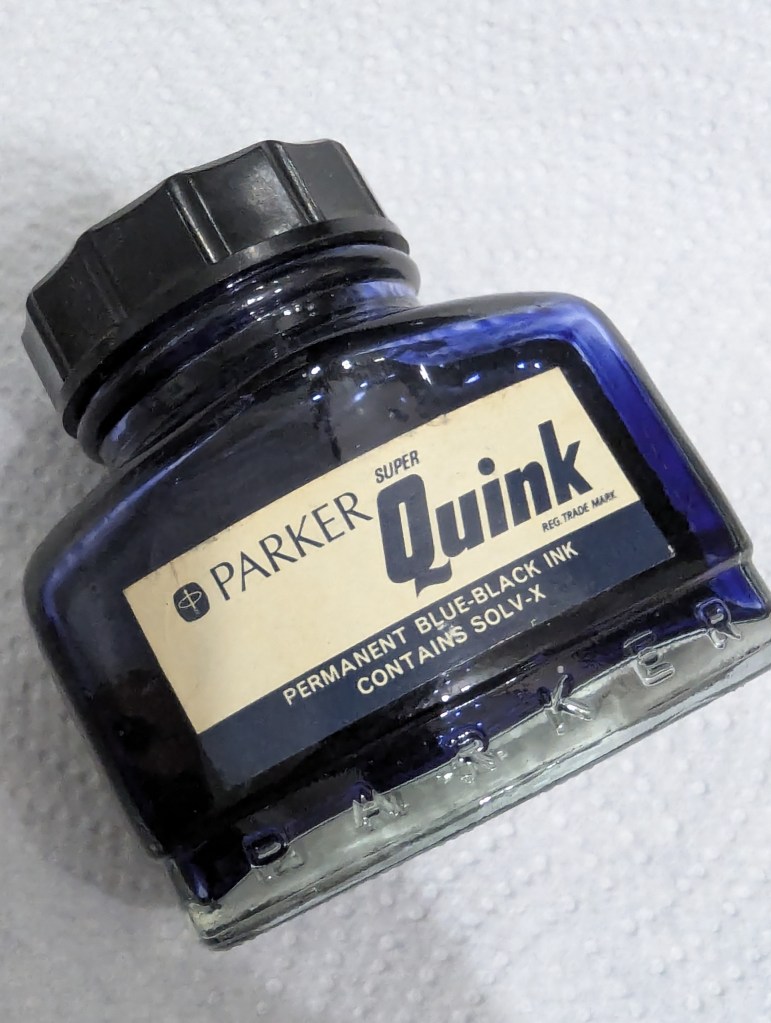
    I suspect that all of us who have ever picked up and started that inky love affair with fountain pens is fairly familiar with this ubiquitous bottle, How many desks have been graced with its reassuring presence since Parker started producing it in 1931?

    Indeed it is one of history’s most successful inks, in fact after being introduced in the first few months of 1931 it had already made a profit on its entire production and research cost by October that same year.

    Parker Quink was revolutionary in its time because it was formulated to dry quickly on the page and not need blotting paper, promoting an easier and more modern style of writing for the busy user of that age.

    The internet seems to have a minor controversy in why Quink is named Quink, perhaps the most widely understood explanation is that the Ink was named Quink for its quick drying properties, but one theory suggests it was named for its creator, Francisco Quisumbing.

    So, How is it? how does it work?

    This is an old bottle of ink. I am not sure how old exactly but I suspect it may be of a similar age to myself (being a son of the late 1980’s) This bottle was made in England and when it was new contained 57 ml or 2 oz of Blue/Black ink, Whether by the slow evaporation of time or by joyous use of its previous owner the bottle is now less than 50% full but has no bad odour or signs of mould

    I found this bottle at a Car Boot sale in Brighton, UK among several other empty bottles, many of which had the dry powdery remains of their contents still shaking around in them, they were all the same colour but from different era’s and I suspect that they were there as a result of a house clearance as is often the case just one of those throw away items many people see as a strange “objet” not quite rubbish but with no or little value or use to them I paid £1 for it.

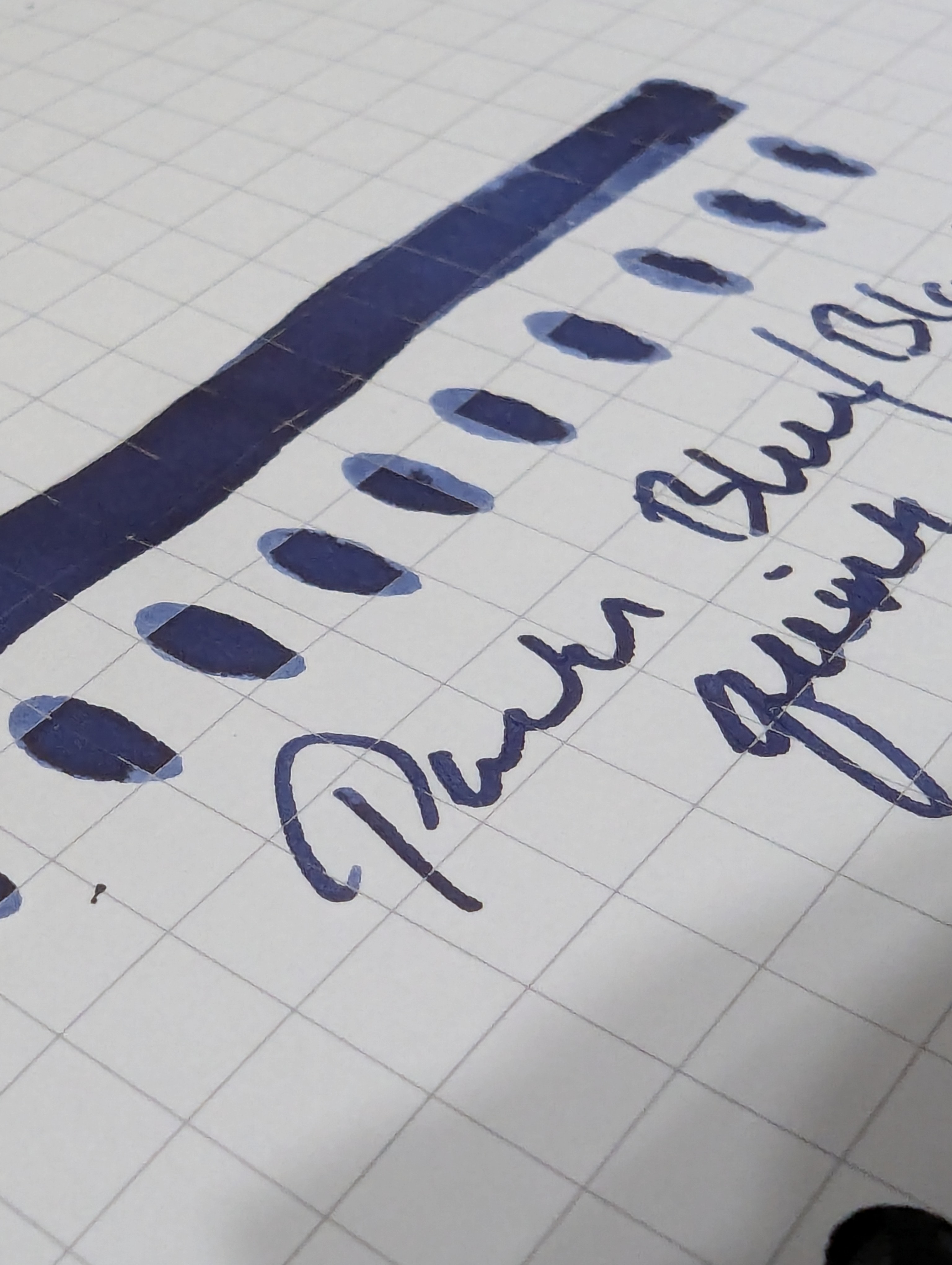
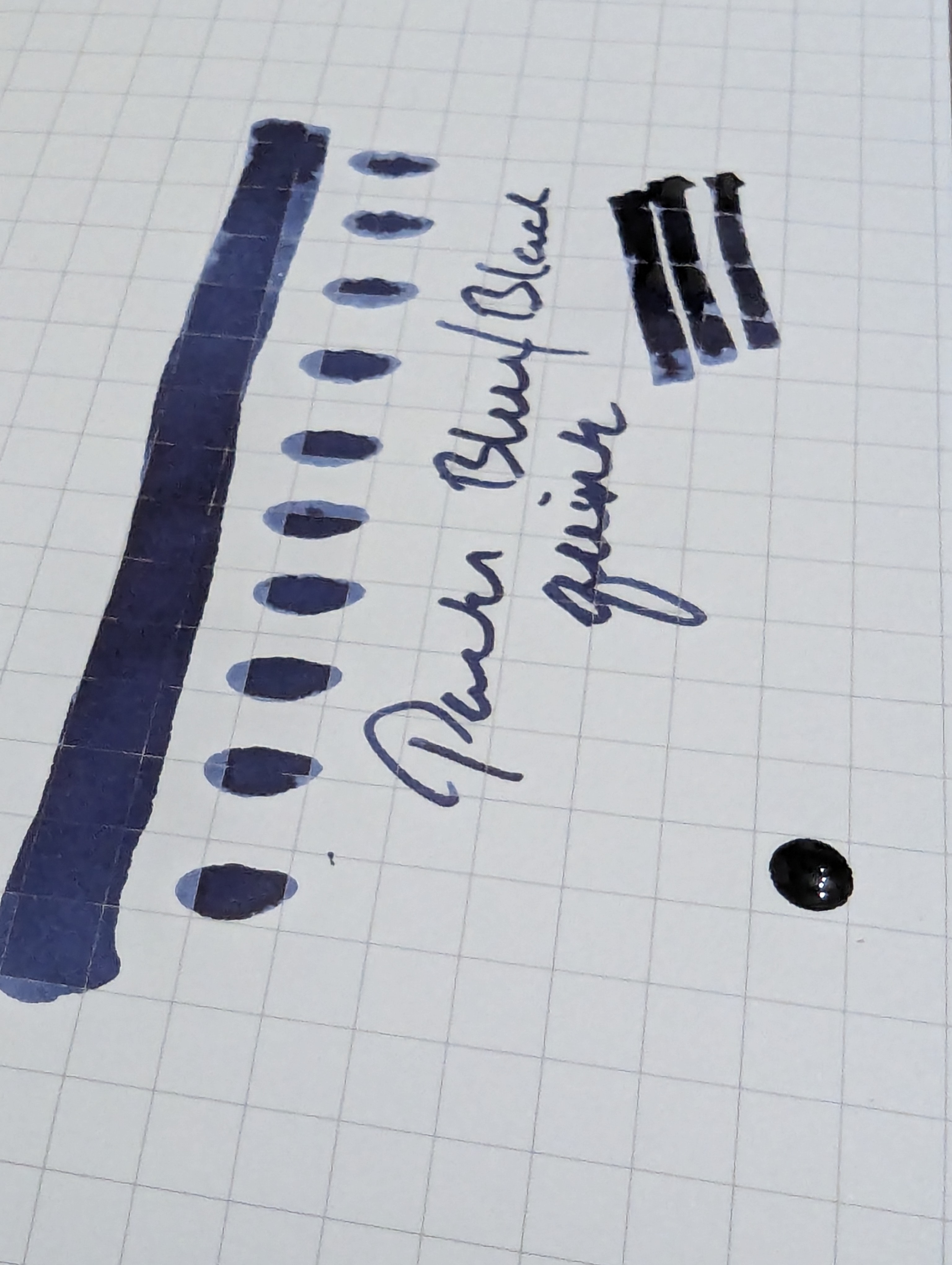
    I am still quite hesitant to put it into a fountain pen so for my little review I used a Dip pen, and the paper is Yu-sari by Nakabayashi

    The ink went down well and without any issue and the colour is that very standard blue black that i enjoy so much, fantastic for both formal and leisure, there was no sheening or anything unexpected. I wonder if age has had some effect on the ink as towards the end of the text and on the sample the ink seems to pull away from the edges and concentrate in the center of its surface area, it would be difficult to see the ink perform any shading with this in mind.

    I really would recommend a bottle of quink, it is not particularly fancy but at £6.50 in the UK (excl delivery) and reasonably priced all over the globe it is a great staple, generally regarded as reliable and safe for vintage fountain pens it is a reasonable addition to your ink collection and is commonly available in 3 colours, washable blue, Black and Blue/Black

    I hope you have enjoyed my first musing into the world of fountain pen related blogging. 🙂

  • Welcome to the Professor’s Study

    Thank you for coming in and taking a look.

    I have managed to pass most of my life so far without reaching out to the world, I want to change that now, I want to share my passions and my feelings on the things I love, including Fountain pens and the great plethora of beautiful things that they work so well with.

    I also want to share my thoughts on writing, stories and any other subject that has burrowed itself into my mind and refuses to leave me alone until i shout about it, I would like to review the occasional pen, ink, book or perhaps any other media

    I would like to be happy and I would like you to be happy also.

  • Hello World!

    Welcome to WordPress! This is your first post. Edit or delete it to take the first step in your blogging journey.