I usually write between 2 to 3 letters per week, the time I spend writing letters is a time of peace, calm and tranquility, a time where I can connect with friends from all over the world, whose correspondence makes the whole process worthwhile, and also connect with myself and really consider my thoughts and opinions in that crucial stage of choosing the words in my replies.
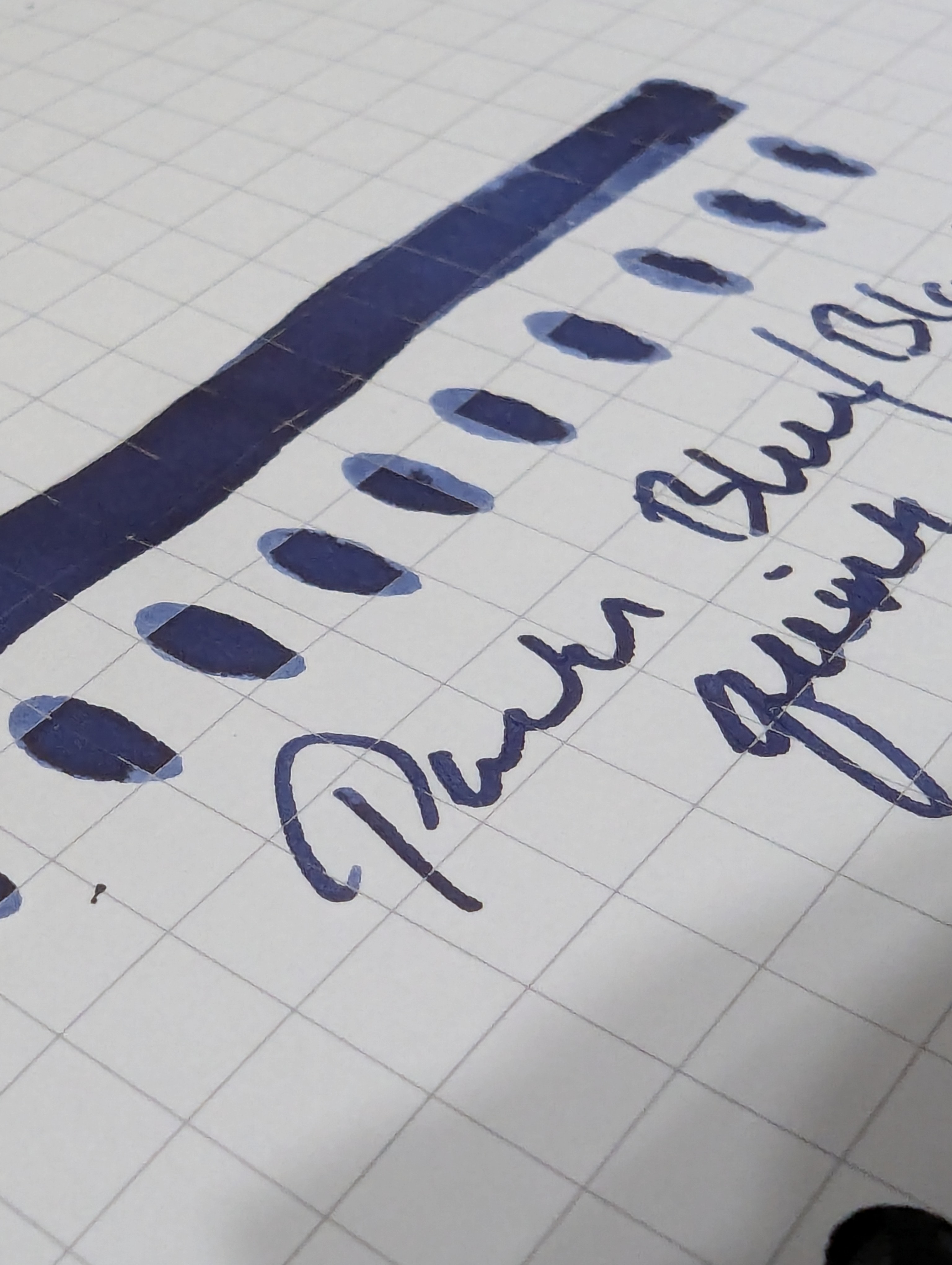
Because I choose to write with a fountain pen, loose leaf paper and ink distinctly enhances the vintage joy I experience, but anyone can write a letter, and the history of communication is marked by the pens and pencils of men and women writing the most profound sentiments known to man, the celebration of the simple and universal birthday cards or those jovial letters to Father Christmas.
The first letter is widely attributed to the Persian Queen Atossa; at around 500 BC, the sands of time have obscured the meaning of her original letter but she set in motion a formula that would be copied centuries on for keeping in contact with one another when that person you want to reach out to is more than a quick walk away.

Sir Rowland Hill is credited as one of the great champions of the posted and written letter. In the 19th Century he is credited with being key in the introduction of the self adhesive postage stamp. In an age when letter writing and literacy was ever increasing, more and more people wanted to keep in touch with friends or family who no longer lived in the same community as them or for businesses looking to work further afield than ever before.
One could argue the true golden age of letter writing began with the advent of the first world war, families separated for the first time had the means to stay in contact with their sons, far from home fighting the war boosted the number of letters.
Of course the internet and social media have put a real dent in the number of hand written letters, it is much cheaper to send an email or a text message to a friend or loved one than to sit down and put pen to paper.
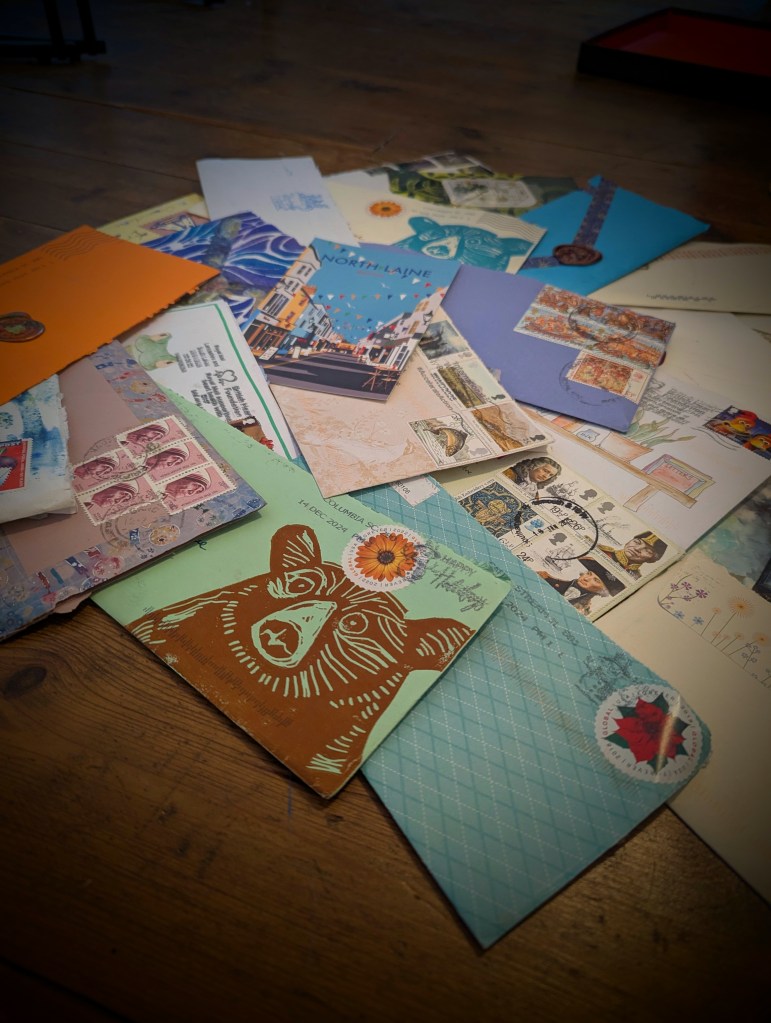
But that doesn’t quite have the same magic to it does it? Is there a better experience than getting home to find a beautifully presented envelope sitting on the floor full of news, tidings and well wishes of people who have taken the time to sit, pick up a pen, get a sheet of paper and consider you in each of the words they have written, and have then taken the time to purchase a stamp and put the letter in the post for you.
You can’t cc or bcc all your friends in on a hand written letter, and you cant see a couple of little blue ticks to know that someone has read your letter, however they mean a lot more to the sender and the recipient, bringing about a stronger relationship because of this, they are intentional and deliberate in a way modern media is not.
Thankfully today we do not have to rely on the ad-hoc international post of the packet ship era, in 1874 the Universal Postage Union was created to standardize the global postal system, I would argue this was the very start of social media, albeit much slower. So let’s use that which was given to us, let’s not let it fade away into obscurity.
There are a myriad of resources online for those who want to write letters, so go have a look, pick up a pen, grab a sheet of paper and let your heart, mind and hand do your talking for you.



 Professor Quill